Accelerating Materials Innovation
Electron Spectroscopy

Scanning Probe Microscopy

Thin Film Deposition

Result of the Month (ROM), October 2026
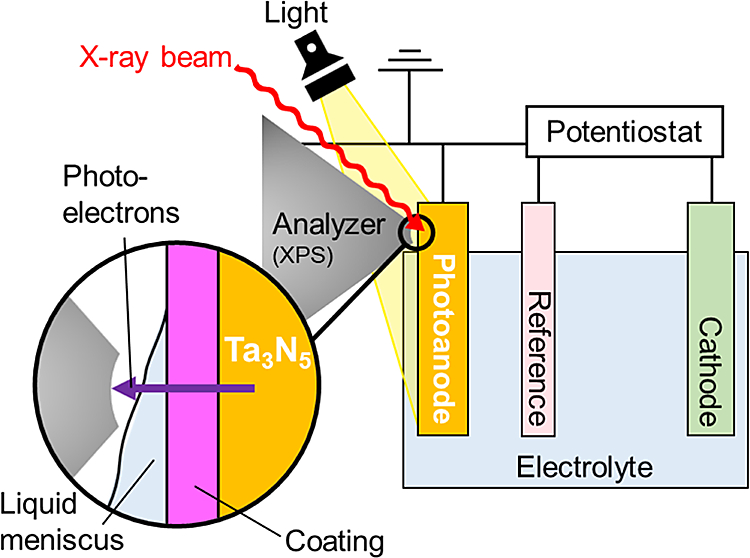
Interrogation of the Interfacial Energetics at a Tantalum Nitride/Electrolyte Heterojunction during Photoelectrochemical Water Splitting by Operando Ambient Pressure X‑ray Photoelectron Spectroscopy
Photoelectrochemical water splitting offers a promising route for converting solar energy into chemical energy, but limited operational stability remains a major challenge. Using operando AP-XPS, researchers reveal how a NiOx protection layer changes the electronic behavior of Ta₃N₅ photoelectrodes under illumination, enabling improved performance and significantly higher stability.
Upcoming Webinars
Understanding quantum materials: From band structure to collective excitations
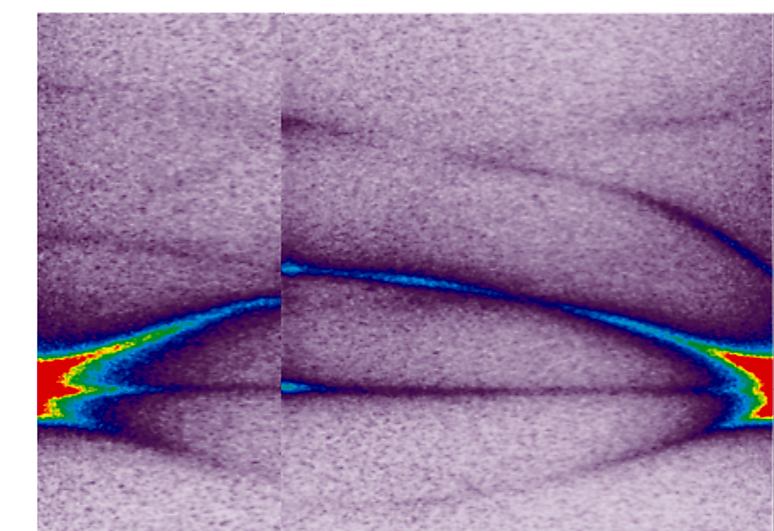
Join us for a live webinar exploring how advanced spectroscopic techniques can help unravel the complex electronic structure and collective behavior of quantum materials.
Gain ne insights, hear from experts in the field, and discover how different approaches can deepen our understanding of these fascinating materials.
October 20, 2026 | 10:00–11:00 CEST | 16:00–17:00 CST
Tackling complex chemical environments in the lab: Electrocatalysis and Plasma Catalysis in the laboratory practice
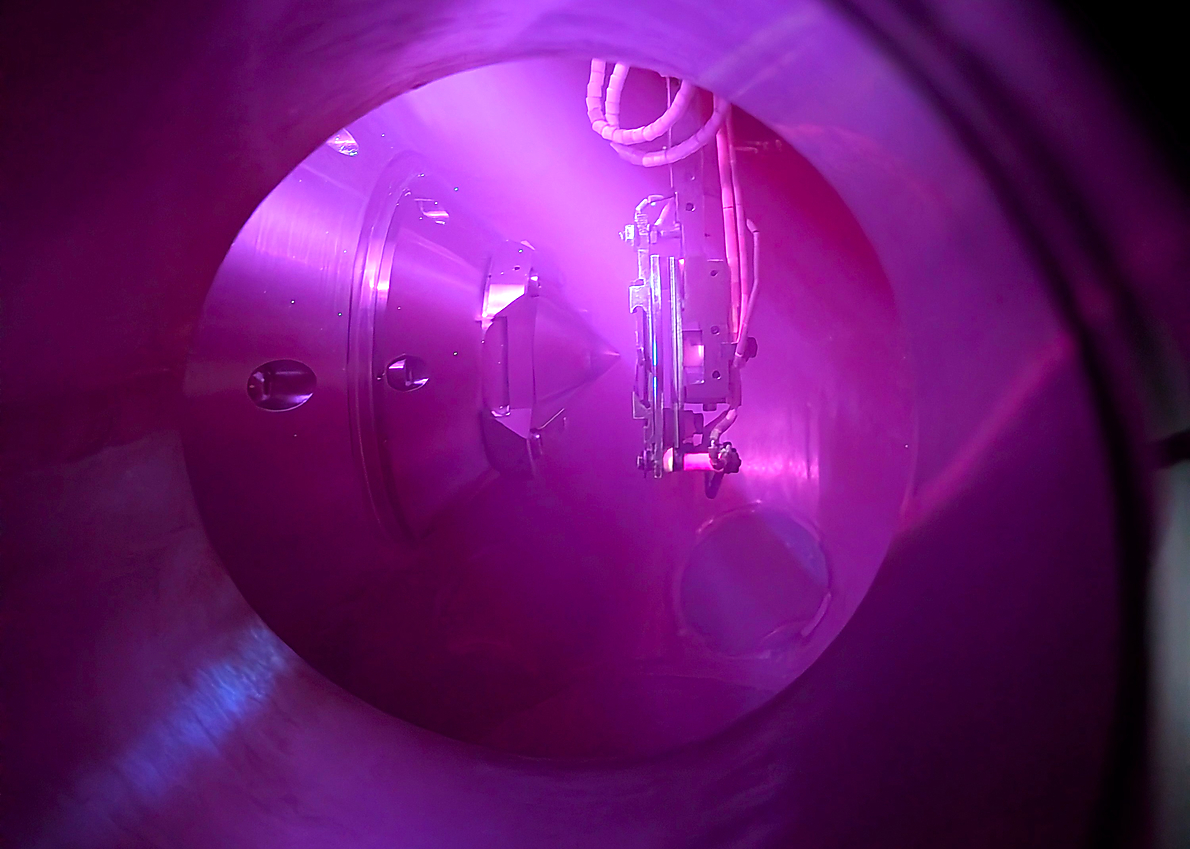
Join us for a live webinar on how laboratory APXPS is opening up complex catalytic systems, from electrochemical interfaces to plasma-assisted reactions.
Operando catalyst studies once required a synchrotron. Today, fully integrated laboratory systems make them routine, supporting the shift from fossil-based to renewable carbon and energy sources.
October 27, 2026 | 4:00 pm – 5:00 pm CET
Latest news
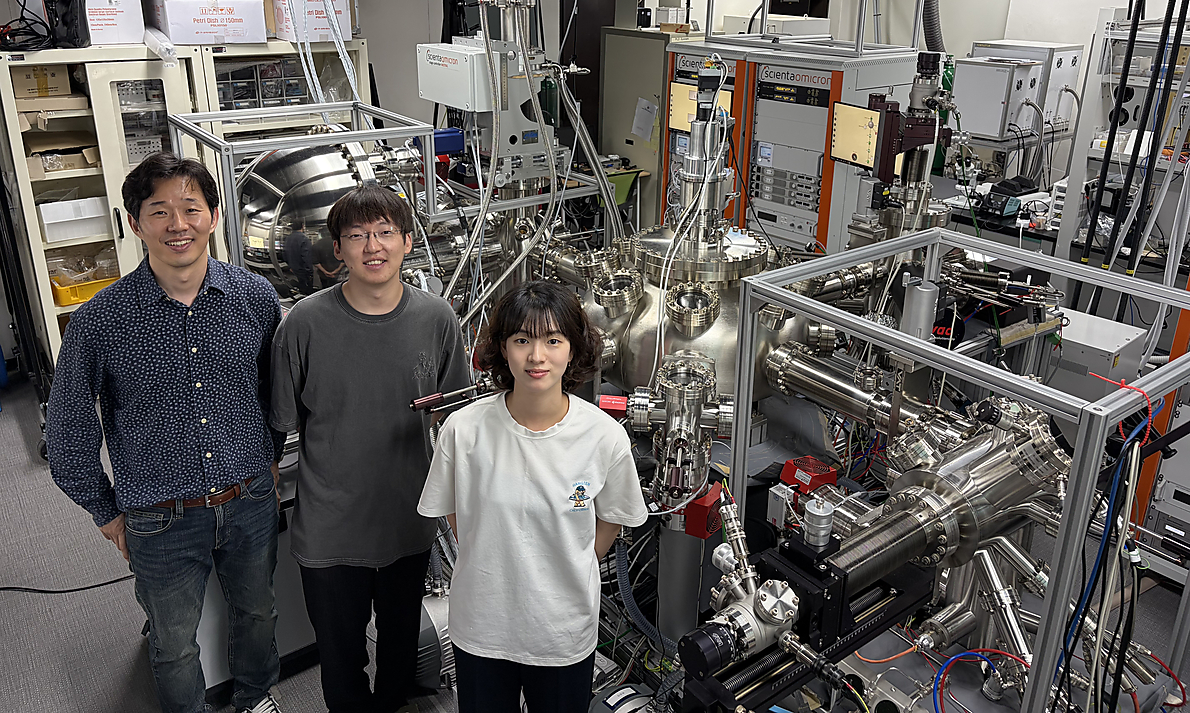
Material Innovation Platform Installed at Pusan National University
A newly installed Material Innovation Platform (MIP) at Pusan National University will support groundbreaking studies of strongly correlated electron phases in air-sensitive low-dimensional systems. Read how Prof. Choongyu Hwang and his team are already generating results only weeks after installation.
Sample Manipulators
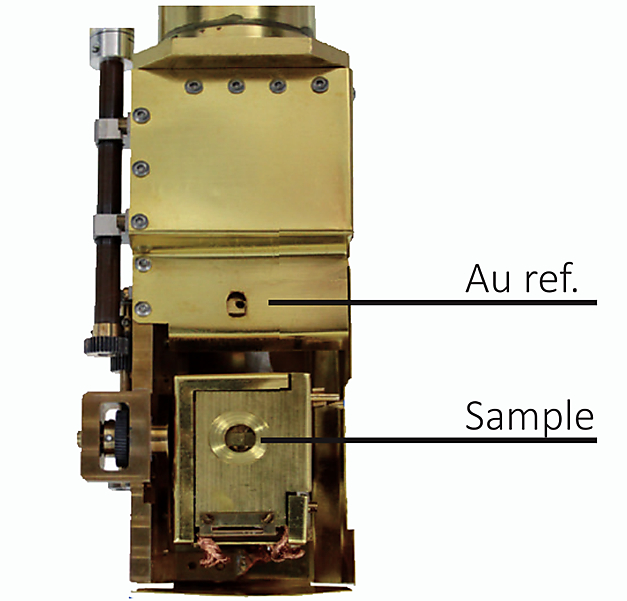
Open and Closed Cycle Sample Manipulators
When aiming at high experimental energy resolution for ARPES measurement, it is crucial to achieve ultra-low sample temperatures to quench thermal broadening. This is possible with state-of-the-art cryo manipulators reaching sample temperatures from < 3.5 K and featuring up to 6 fully motorized axes for a large range of movements. The manipulators are available as open and closed cycle. Open cycle manipulators reach lower temperature specifications and are rapidly cooled down from room temperature to 10 K in 15 min. The low He consumption below 1 l/h at ultimate temperature and the possibility to operate with liquid nitrogen at higher temperatures ensure a low operating cost. Closed cycle manipulators have no He consumption providing unlimited holding time.
Service Upgrade
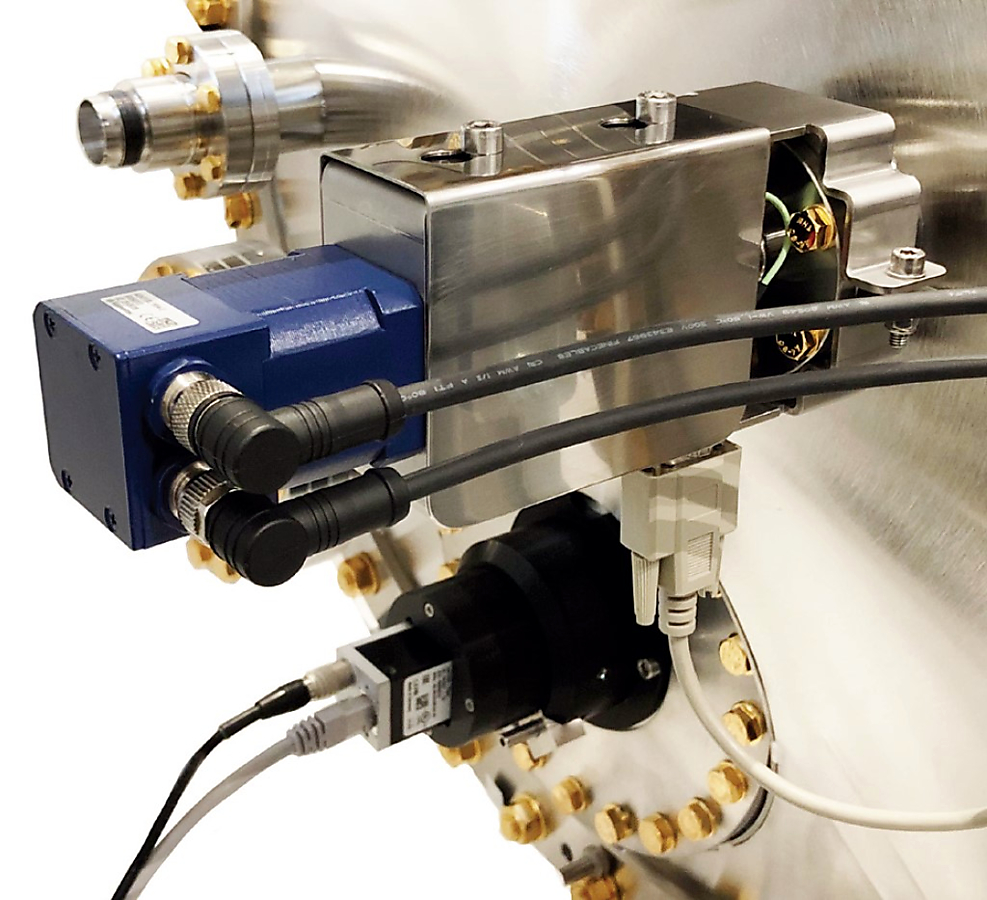
PEAK Slit Control
Optimal analyser settings with remote control
In photoelectron spectroscopy measurements, there is always a trade-off between signal intensity and resolution. Optimising this balance is the key to obtaining smooth and sharp spectra within the shortest time possible. For hemispherical analysers, this trade-off is controlled by the selected entrance slit and pass energy.
PEAK Slit Control replaces manual slit changes at the analyser with a motorised and software-controlled slit. With the control of all analyser settings, easy and quick optimisation of signal intensity versus resolution is possible.
About Us
Scienta Omicron is a leading innovator in Surface Science and Nanotechnology. At our technology centres in Uppsala, Sweden and Taunusstein, Germany we develop and produce high-tech instruments. Our instruments support top researchers globally and are serviced by our four regional hubs in USA, China, Japan and Germany.
We provide state of the art instruments in Electron Spectroscopy, Scanning Probe Microscopy and Thin Film Deposition. Focusing on the race for new unique materials and solutions, in areas like – smarter batteries, next generation electronics, quantum technologies, solar energy, intelligent sensors and advanced materials, Scienta Omicron enables development of tomorrow´s materials.
THE SCIENTA GROUP: One Group, Two Leading Brands

Since 1983 the combined companies, including Scienta Omicron and Scienta Envinet (former Scienta Sensor Systems and Envinet GmbH respectively) that make up the Scienta Scientific Group have been leading the development of ultra high vacuum research and analysis equipment in the fields of Surface Science, Material Physics, UHV technology and Radiation Detection, resulting in scientific breakthroughs, Nobel Prizes and outstanding industrial equipment.